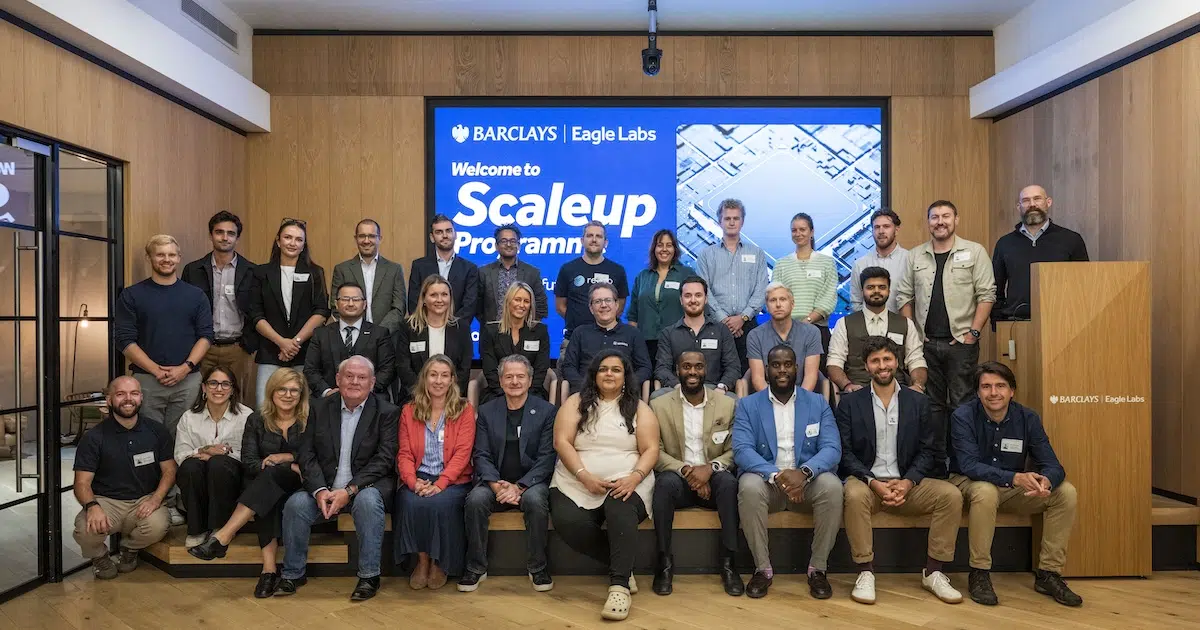
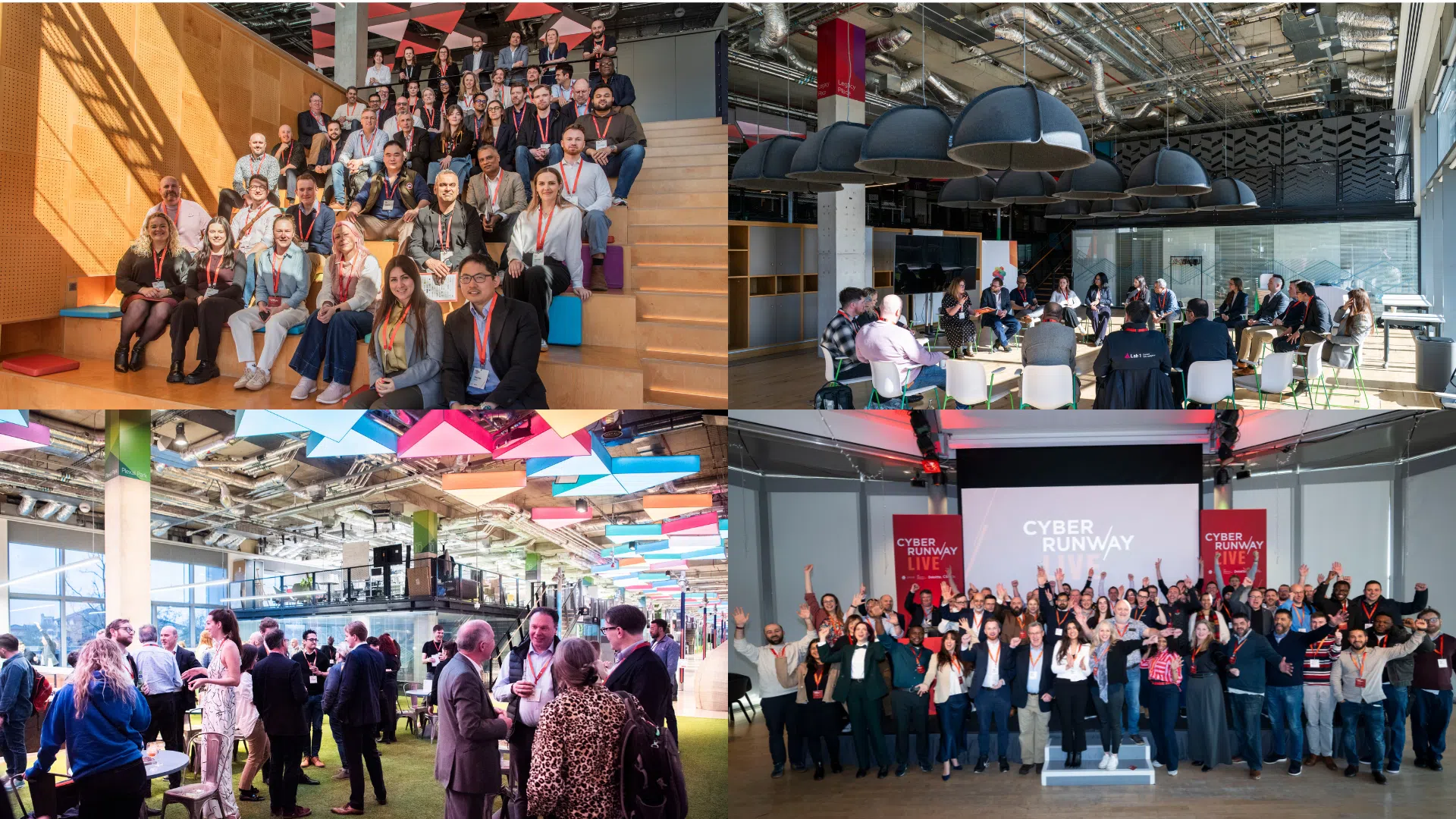
The UK and Netherlands defence ministries detailed their respective priorities last year, positioning innovation as a central enabler to enhance sovereign capabilities and address critical challenges. Dual-use technologies that can be leveraged for civilian and military purposes – such as AI, quantum, integrated photonics and semiconductors – were a focal point of ministry plans, positioned as innovative means of driving national security for our societies.
Plexal actively researches and advises government and industry on these areas. And in recent months, this included spotlighting how photonics can deliver on the Defence and Security Industrial Strategy, leading discussion on what sovereignty means for UK growth and resilience and promoting cross-sector collaboration to secure critical national infrastructure. So, we were pleased to receive an invitation from the Embassy of the Netherlands to join its Innovation Mission for Dual-Use Technologies in Intelligent Systems and Sensors.
The event focused on identifying opportunities and partnerships to support product development, scale technologies and strengthen defence capabilities. And we were in the company of senior representatives from the UK and Dutch ministries of defence, Dutch dual-use technologies startups and supporting organisations including Innovate UK and TNO (the Netherlands Organisation for Applied Scientific Research).
Here’s a rundown of the key topics, from the Ukraine conflict and investment initiatives through to exports and intelligence sharing.
War of economics
The “war of economics” conversation pointed to a focus on cost-efficiency and scalability to outweigh pure technical performance in sustaining or resolving conflict.
Drones featured heavily in this context, reinforcing the importance of applying a SWaP-C (Size, Weight, Power and Cost) framework to emerging technologies. This was highlighted alongside the growing role of advanced sensors and intelligent systems in next-generation counter-drone capabilities.
Both the UK and Netherlands are prioritising investment here, creating strong opportunities for joint development and it was expressed the nations could generate supportive innovation for Ukraine.
Funding roadmaps
Funding was another key focus, as part of which Innovate UK enthusiastically revealed increased support for dual-use technologies by introducing sandbox programmes. These intensive, collaborative workshops have been developed to deliver structured roadmaps for innovation that can lead to funding.
While private funding has its place and can provide value, dual-use deep technologies are typically considered high-risk due to their long returns, which makes them less appealing to VCs.
Export and import
Challenges surrounding export and import were flagged as holding back innovation and collaboration. These barriers notably create difficulties for Dutch SMEs trying to engage the UK market and are often linked to regulatory compliance in sectors such as maritime.
Fortunately, support is available through export licensing teams. UK Defence and Security Exports are among the organisations, which provide market-specific guidance.
Intelligence exchange
With ongoing legal and policy constraints, the need for improved information sharing was clear. Photonics was highlighted as a strong priority area where collaboration can work, combining Dutch expertise in active integrated circuits with the UK’s knowledge in compound semiconductors and passive systems.
Technology frontlines
Dr Daniel Burt, Innovation Consultant at Plexal, joined a technology frontline panel at the Innovation Mission for Dual-Use Technologies and shared his expertise in semiconductors and photonics. He was joined by Professor David Cumming, Director of the UK Hub for Quantum Enabled Precision, Navigation and Timing Professor Eiman Kanjo of Nottingham Trent University and Joris Janssen of the Dutch innovation organisation TNO.
The panel explored challenges and opportunities, with a strong emphasis on dual-use technologies such as edge AI and integrated photonics – notably areas where the UK and the Netherlands demonstrate complementary skills.
Talent development was also identified as a key priority, with opportunities to strengthen collaboration from undergraduate through to postgraduate levels via specialised visas, subsidised degrees and joint PhD programmes.
Sharing his perspective, Daniel detailed: “One of the biggest challenges we face is strengthening supply chain resilience in semiconductors and photonics. When critical raw materials like silicon, erbium, germanium and gallium are predominantly concentrated in a single country, it exposes a real vulnerability.
“That’s why collaboration between the UK and the Netherlands is so important – together, we can diversify our supply chains and build capability across the entire value chain to provide both countries strategic leverage.
“It was a pleasure attending the Innovation Mission for Dual-Use Technologies in Intelligent Systems and Sensors and we look forward to deepening our existing and new relationships.”